Unveiling Ancient Wisdom: 67 Life Lessons and Quotes from Chinese Philosophers
Published: 1 Apr 2026
People in China and all over East Asia are utilizing the ideas from Ancient Chinese Philosophy for their art, literature, and political perspectives.
These Profound lessons by ancient Chinese Philosophers can help men lead more fulfilling, balanced, and harmonious lives, enriching their relationships, fostering personal growth, and finding true happiness and contentment.
Ancient Chinese philosophers’ beliefs and ideas are more widely known among the younger generation searching to live an enjoyable life.
10 Ancient Chinese Philosophers Life Lessons
Philosophers from ancient China, like Confucius, Laozi, And Zhuangzi, conveyed timeless knowledge that is still relevant and famous today. Men frequently discover these life truths from their teachers far too late in life.
- Embrace Simplicity
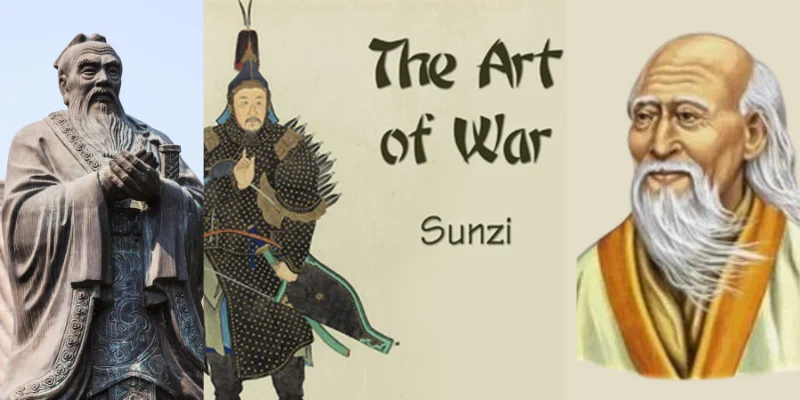
Life Lesson: Laozi’s philosophy emphasizes Simplicity and the virtue of living in harmony with nature. Many men spend years chasing material possessions and social status only to realize later that true fulfillment comes from embracing Simplicity and contentment with what one has.
- Prioritize Inner Growth
Life’s Lesson: Confucius stressed the importance of self-cultivation and moral development. Men often focus excessively on external achievements and neglect their inner growth. They may need to realize too late that true success stems from cultivating virtues such as wisdom, compassion, and integrity.
- Practice Moderation
Short Analysis: Zhuangzi advocated for the principle of moderation and balance in all aspects of life. Men commonly fall into the trap of excess, whether it’s in work, relationships, or indulgence. Learning to practice moderation helps prevent burnout, maintain harmony, and achieve sustainable happiness.
- Value Relationships
Confucianism emphasizes the importance of familial and social relationships. Men may prioritize career and individual pursuits over nurturing meaningful connections with family and friends.
They often realize too late that true happiness lies in cultivating strong relationships and cherishing moments spent with loved ones.
- Embrace Change
Taoist philosophy, as exemplified by Laozi and Zhuangzi, teaches the wisdom of embracing change and going with the flow of life.
Men sometimes resist change out of fear or stubbornness, which can lead to growth and transformation.
- Seek Inner Peace
Taoist teachings emphasize the importance of inner peace and tranquillity. Men may spend years chasing external achievements, unaware that true peace comes from within. Cultivating practices such as meditation, mindfulness, and self-reflection can help men find Inner Peace and fulfilment.
- Practice Humility
Confucianism and Taoism both stress the virtue of humility. Men often struggle with ego and pride, which can lead to conflicts and unhappiness. Learning to cultivate humility allows men to acknowledge their limitations, learn from others, and foster harmonious relationships.
- Live in the Present
Taoist philosophy encourages living in the present moment and appreciating the beauty of each moment.
Men often get caught up in regrets about the past or worries about the future, missing out on the richness of life unfolding in the present.
Learning to be mindful and fully present can lead to greater Joy and Fulfillment.
- Value Virtue Over Status
Confucius prioritized moral integrity and virtue over worldly success and status.
Men may spend years chasing external markers of success, such as wealth or power, only to realize later that true fulfilment comes from living a virtuous and meaningful life.
- Embrace Self-Reflection
All three Philosophers emphasize the importance of self-awareness and self-reflection.
Men often neglect introspection in favour of action and external pursuits. However, taking the time to reflect on one’s values, beliefs, and actions can lead to greater self-understanding and personal growth.
Life Lessons from the Book “The Art of War”
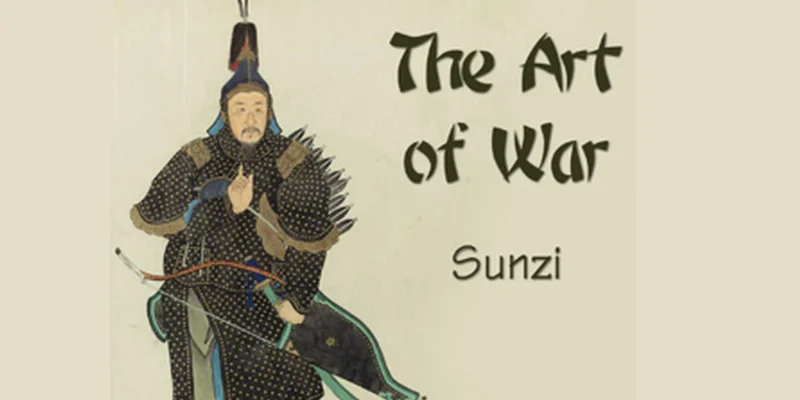
“The Art of War” by Sun Tzu offers timeless wisdom on strategy, leadership, and conflict resolution that can be applied to various aspects of life beyond the battlefield. Its planning, adaptability, and strategic thinking lessons continue to resonate with readers across cultures and disciplines.
- Know yourself and Know your Enemy.
Sun Tzu emphasizes the importance of self-awareness and understanding one’s strengths and weaknesses, as well as those of the opponent. This knowledge allows for effective planning and decision-making.
- Strategic Planning
The book advocates for careful strategic planning before engaging in any conflict. Sun Tzu suggests that victory is determined by the quality of the planning, including factors such as terrain, timing, and logistics.
- Adaptability
Sun Tzu stresses the importance of adaptability and flexibility in response to changing circumstances. He advises against rigid thinking and encourages commanders to adjust their strategies based on the evolving situation.
- Deception and Misdirection
The book discusses deception and misdirection as tactics to confuse the enemy. Sun Tzu argues that strategic deception can be a powerful tool in gaining a tactical advantage.
- Winning Without Fighting
Sun Tzu advocates for winning battles without engaging in direct conflict whenever possible. He suggests that achieving victory through diplomacy, negotiation, or psychological warfare is preferable to engaging in costly battles.
- Unity of Command
Sun Tzu emphasizes the importance of unity of command and coordination among all levels of leadership. He argues that a cohesive and disciplined force is essential for success in warfare.
- Exploiting Weaknesses
The book advises commanders to exploit the enemy’s weaknesses while protecting their vulnerabilities. Sun Tzu suggests that victory comes from understanding and capitalizing on the opponent’s weaknesses.
- The Importance of Intelligence
Sun Tzu underscores the importance of gathering accurate intelligence about the enemy and their intentions. He argues that well-informed commanders are better equipped to make strategic decisions and anticipate enemy movements.
- Maintaining Discipline
Sun Tzu emphasizes the importance of discipline and order within the military ranks. He argues that a disciplined force is more effective in carrying out orders and responding to challenges on the battlefield.
- The Cost of War
“The Art of War” acknowledges the high cost of war and advocates for preserving resources and minimizing casualties whenever possible. Sun Tzu suggests that the ultimate goal of warfare should be to achieve victory with minimal loss of life and resources.
7 Powerful Teaching on Life & Human Behavior by Confucius
- Continuous Self-Improvement
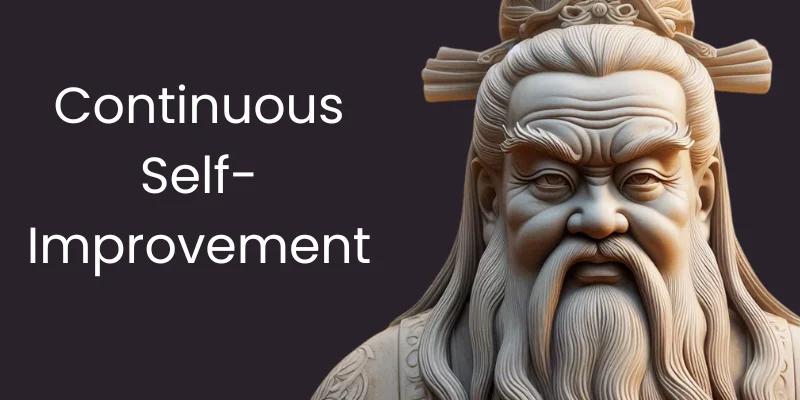
Confucius believed in the importance of continuous self-improvement and learning. He thinks lifelong learning and personal growth are crucial to leading a meaningful life.
Lesson: “It does not matter how slowly you go as long as you do not stop.”
- Benevolence and Kindness
Confucius emphasized the importance of cultivating a sense of benevolence and kindness towards others.
He believed that we can contribute to harmonious relationships and societal well-being by treating others with compassion and empathy.
- Self-Reflection and Introspection
Confucius believed in the power of self-reflection and introspection. He taught us to regularly examine our thoughts and actions to become better individuals.
Its Lesson: “When we see men of a contrary character, we should turn inwards and examine ourselves.
- Balanced And Harmonious Living
Confucius believed in finding balance and harmony in all aspects of life.
He taught that moderation and avoiding extremes lead to a more stable and virtuous existence.
- Righteousness
Confucius taught that individuals should uphold righteousness and act with integrity in all their dealings.
Even in the face of challenges, doing what is morally right is essential for personal growth and societal harmony.
- Wisdom
According to Confucius, wisdom is the ability to make sound judgments and decisions.
He believed in lifelong learning and self-improvement to cultivate wisdom and make better choices in life.
- Trustworthiness and Sincerity
Confucius emphasized the importance of being trustworthy and sincere in one’s words and actions.
Building trust and maintaining honesty in relationships is crucial for a harmonious and ethical life.
If you found value in these insights, please share this post with others who might benefit from these principles in their own lives.
Five lessons from the Book ‘Tao Te Ching’ by Lao Tzu
- Appreciate Simplicity
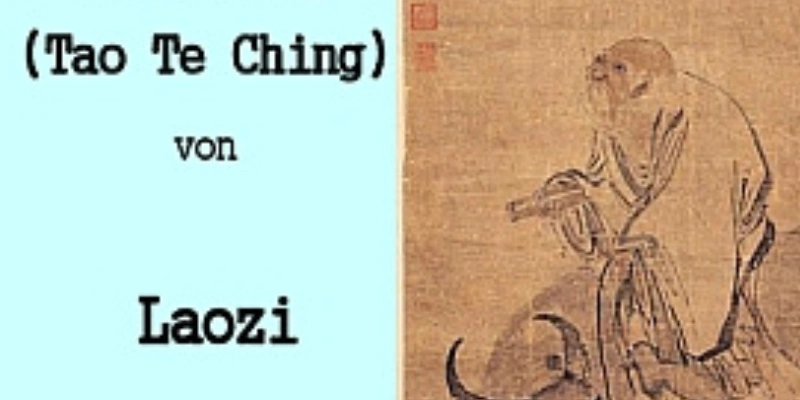
Lao Tzu teaches the value of simplicity and humility in life. We will find the inner peace and harmony we seek and deserve by letting go of excessive desires, attachments, and complexities.
- Practice Wu Wei
Explanation: Wu Wei is a central concept in Taoism that emphasizes effortless action and spontaneous living. Lao Tzu teaches that by aligning ourselves with the natural rhythm and acting without attachment or resistance, we can achieve greater effectiveness and harmony in our actions. By letting go of the need to control and allowing things to unfold naturally, we can flow with the currents of life and achieve optimal outcomes.
- Embrace Yin and Yang
The Tao Te Ching teaches the balance of yin and yang, the complementary forces that make up the universe. By embracing the interplay of yin and yang in our lives, we can achieve balance, wholeness, and harmony with the Tao.
- Cultivate Compassion and Humility
Lao Tzu teaches the importance of cultivating compassion, humility, and kindness. By embodying these virtues, we can foster harmonious relationships, promote peace, and contribute to the well-being of all beings.
- Live in Harmony with Nature
The Tao Te Ching extols the virtue of living in harmony with nature and the natural world. Lao Tzu encourages individuals to observe the cycles of nature and draw inspiration from its wisdom.
Inspirational Quotes From Chinese Philosophers
Many philosophers are born in ancient China. Here you will get the best ancient Chinese philosophers’ life lesson quotes.
- A wise man adapts himself to circumstances, as water shapes itself to the vessel that contains it.
- Do not fear going forward slowly; fear only to stand still.
- The best time to plant a tree was 20 years ago; the second best time is now.
- To know others is wisdom; to know oneself is enlightenment.
- A book is like a garden carried in a pocket.
- When the winds of change blow, some people build walls and others build windmills.
- He who asks is a fool for five minutes, but he who does not ask remains a fool forever.
- Dig the well before you are thirsty.
- The more you sweat in peace, the less you bleed in war.
- If you are patient in one moment of anger, you will escape a hundred days of sorrow.
Asian Philosophy Quotes
These quotes share simple but deep wisdom from Asian philosophies. They teach us how to live with balance, respect, and purpose.
“How much does he lack himself who must have many things?” ― Sen no Rikyū
“If you write about the Asian culture, be accurate between what is the difference between Chinese, Japanese, Korean, Malaysian, Thai, Taiwanese, Indonesian, and many individual Asian countries’ cultures. While there are many similarities, the differences in cultures will set your novel apart from what is an authentic portrayal to what is a westernized version.” ― Kailin Gow
“Laughter has got to be the single healthiest activity one can perform. Just think how healthy you would be if you could sincerely laugh at that which now oppresses you.” ― Darrell Calkins, Re:
“Well-being, or wholeness, implies integrity and harmony between all existing elements, providing freedom for the whole.” ― Darrell Calkins, Re:
“In my experience, most people are actually seeking recovery from the monotony and anxiety of qualitative repetition. This applies to body, emotions and mind. And that monotony and anxiety involves inertia just as much as over-use, meaning inertia in some areas and over-use in others.” ― Darrell Calkins, Re:
“Physical well-being necessitates listening to what you already know, and then taking it seriously enough to act accordingly. When you wake up and feel the impulse to arch your back, stretch and exhale with a loud sigh, for God’s sake, do it.” ― Darrell Calkins, Re:
“People generally believe that stress is responsible for depletion, but apathy and uninspired systematic repetition are equally responsible. Or rather, systematic repetition produces as much or more stress and anxiety as anything else.” ― Darrell Calkins, Re:
“Our lives begin in the everyday and stay in the everyday. Only in the everyday can we begin to create truly great worlds.” ― Michael Puett
“The invisible threads that connect us across cultures are stronger than any walls that divide us. It’s in those threads that we find our true selves.” ― Camellia Yang
“Knowing the cause of their suffering, the peasant cursed their barbarian emperor in his distant capital in the north. As with any two like things connected by a thread of qui, whereby the actions of one influence the other even at a distance, so an emperor’s worthiness determines the fate of the land he rules.” ― Shelley Parker-Chan
“No man is an island entire of itself; we are all a piece of the continent, connected by the stories we share and the bridges we build between cultures.” ― Camellia Yang
“Belonging isn’t about where you’re from; it’s about where you’re understood, and sometimes, that place doesn’t exist on a map.” ― Camellia Yang
“Sometimes, the loneliest place is not being far from home, but being surrounded by people who can’t see beyond their own borders.” ― Camellia Yang
“In the silence between cultures, I found my voice—not as one or the other, but as both and neither, a bridge between worlds.” ― Camellia Yang
“To belong everywhere and nowhere at once is both a blessing and a burden, but it is also a reminder that identity is fluid, ever-changing with each new experience.” ― Camellia Yang
Chinese Quotes on Life
These Chinese sayings inspire how we live every day. They guide us to be kind, thoughtful, and strong in life’s journey.
Each morning when you wake up, close your eyes and be thankful for your health — you still have the chance to see the sunlight today.
To give is to receive. When you offer love, you gain peace and comfort in your heart.
Life is like a painting — it needs more bright colors and fewer dull shades.
Life is like a mirror. If you smile at it, it smiles back; if you cry, it reflects your sorrow.
Everything has beauty, but not everyone can see it.
When you love what you have, you already have everything you need.
Beauty is how you feel about yourself, not what you see in the mirror.
People often say you’ve changed, but no one asks what you’ve been through.
A smile is always the most beautiful thing on someone and the shortest distance between two people.
The greatest achievement in life is not wealth, but being remembered for who you are.
FAQs
Xuanzang, who was also known as Hiuen Tsang, was the most popular Chinese philosopher who went to India in the 7th Century in search of Buddhist knowledge. The translations he wrote were very important to the growth of Chinese Buddhism.
The most famous three ancient Chinese philosophies are:
Confucianism: This philosophy is founded by ancient Chinese philosopher Confucius
Daoism: This philosophy is founded on the teachings of the old Chinese philosopher Laozi
Legalism: This philosophy is associated with philosophers such as Han Fei and Li Si
These ancient Chinese philosophies influence government and society.
Individuals must choose the right philosophy to guide their lives. People consider the following to be among the best China philosophies:
1. Confucianism focuses on moral ideals.
2. Taoism promotes living in balance with nature.
3. Legalism encourages strict adherence to laws.
Final Thought
We hope that these lessons from the oldest Chinese philosophers will prove helpful, inspiring, and informative for you.
These lessons will positively impact your soul and mind. Share your thoughts below in the comments section.
What’s the most beautiful life lesson you learned from the teachings of Ancient Chinese Philosophers?





- Be Respectful
- Stay Relevant
- Stay Positive
- True Feedback
- Encourage Discussion
- Avoid Spamming
- No Fake News
- Don't Copy-Paste
- No Personal Attacks
- Be Respectful
- Stay Relevant
- Stay Positive
- True Feedback
- Encourage Discussion
- Avoid Spamming
- No Fake News
- Don't Copy-Paste
- No Personal Attacks
