Lao Tzu Quotes & Philosophy in Life: Guide to Taoism, Wu Wei & Application
Published: 3 Mar 2026
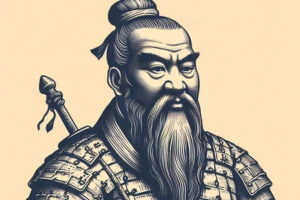
Lao Tzu was an ancient Chinese philosopher, spiritual teacher, and the reputed Author of Tao Te Ching. He has left behind a collection of wisdom, and inspiration that remains influential today.
Lao Tzu is also considered the founder of the Taoist religion, also called Taoism. His teachings emphasize the importance of simplicity, humility, and going with the natural flow of life.
Who Was Lao Tzu?
Lao Tzu was an ancient Chinese philosopher who is often called the founder of Taoism. His ideas have influenced Chinese thinking for more than 2,000 years. But there’s something important many websites don’t explain: historians aren’t sure if Lao Tzu was a real person or not. This mystery makes him even more interesting.
Historical Uncertainty
According to traditional stories, Lao Tzu lived in the 6th century BCE during the Zhou Dynasty. Some people say he worked as a record keeper in the royal court. One famous story tells that he left China on a water buffalo.
Before leaving, a guard asked him to write down his wisdom. That writing later became the Tao Te Ching, a key text in Taoism.
But modern historians question this story. There is no strong evidence that he existed. Some experts believe that:
- Lao Tzu may have been a real person.
- Lao Tzu may have been one of many different thinkers who shared similar ideas.
- Lao Tzu may have been a legendary figure rather than a real person.
So, was he real? We don’t have a clear answer. This mystery makes Lao Tzu an even more interesting figure in history.
What Is Taoism?
Taoism is an ancient Chinese philosophy that teaches us how to live in peace and balance. It focuses on harmony with nature and on going with the natural flow of life.
Taoism doesn’t give strict rules to follow. Instead, it encourages living simply, staying calm, and acting wisely. The main idea is that life is easier when we stop forcing things and let things happen naturally.
Let’s break down its key ideas:
What Is the Tao?
The Tao means “The Way.” It is the natural flow and order of the universe that guides everything.
The Tao is not a god or a person. It’s an invisible system that influences everything around us. Even though we can’t see it, we can see how it affects the world. It’s like gravity – we can’t see it, but we can feel its effects.
What Is Wu Wei?
Wu Wei means “effortless action.” It’s about taking action without forcing or struggling.
Wu Wei doesn’t mean doing nothing. Some people think that’s what it means, but it’s not. Wu Wei is about doing things naturally and wisely. It’s about knowing when to act and avoiding unnecessary force.
Ziran (Naturalness)
Ziran means “naturalness” or being true to yourself.
Ziran teaches us to be authentic. It encourages us to act based on our true strengths, not by trying to copy others. Just like a tree grows as it is meant to, we should live according to our own nature. Pretending to be someone else can make us stressed, but acting naturally helps us feel confident.
Yin and Yang Balance
Yin and Yang are about balancing opposite forces in life.
Yin represents qualities such as softness, darkness, calmness, and rest. Yang represents strength, light, action, and movement. Both are needed to create balance. In life, we experience opposites like day and night, work and rest, action and silence. The balance of these forces brings stability.
De (Virtue)
De means inner virtue or the natural strength that comes from living in harmony with the Tao.
De is not about pretending to be good to impress others. It comes naturally when your actions align with the Tao. Imagine how a machine works perfectly when all its parts work together. Similarly, when your actions align with your true nature and values, your character becomes stronger. This quiet strength is De.
Lao Tzu Life Lessons Quotes
Quotes from great philosophers, like the teachings of Lao Tzu, can help us grow our minds and hearts through their spiritual words.
- The journey of a thousand miles begins with a single step.
- Nature does not hurry, yet everything is accomplished.
Lao Tzu’s quotes on mastering yourself
- He who knows others is wise; he who knows himself is enlightened.
- Mastering others is strength. Mastering yourself is true power.
- I become what I might be When I let go of what I am.
Life wisdom quotes by Lao Tzu
- Silence is a great source of strength.
- Act without expectation.
- Do the difficult things while they are easy and do the great things while they are small.
- The wise man does not lay up his treasures. The more he gives to others, the more he has for his own.
- The softest thing in the world is to overcome the hardest things in the world.
Enlightening Quotes by Lao Tzu
These 10 Inspirational quotes from Lao Tzu enfold topics such as conquering yourself, love, and kindness.
- He who conquers others is strong; he who conquers himself is mighty.
- Being deeply loved by someone gives you strength while loving someone deeply gives you courage.
- To attain knowledge, add things every day. To attain wisdom, remove things every day.
- The more that you know, the less you will understand.
- Respond intelligently even to unintelligent treatment.
Lao Tzu Quotes on Principles
- The best fighter is never angry.
- Kindness in words creates confidence. Kindness in thinking creates profoundness. Kindness in giving creates Love.
- He who knows does not speak; he who speaks does not know.
- The flame that burns twice as bright burns half as long.
- Everybody will respect you When you are content to be yourself and don’t compare and compete.
Lao Tzu quotes about life
Life lessons from the Taoist master Lao Tzu will help us deal with challenges by observing nature’s flow.
- Tao Te Ching teaches us to flow with life and to be a force of life.
My Analysis: This phrase highlights the Taoist principle of aligning with the natural flow of life while keeping strength and balance.
- The wise man knows, what he does not know.
- To realize you do not understand is a virtue; Not to realize that you do not understand is a defect.
- Truth is not always pretty, pretty words are always true.
Laozi quotes about life lessons
- Do you have the patience to wait until your mud settles, and the water is clear? Can you remain unmoving until the right action arises by itself? Lao Tse quote
- Practice is the key to knowledge; knowledge is a treasure.
- If you do not change direction, you may end up where you are heading.
- The Tao that can be told is not the eternal Tao. The name that can be named is not the eternal name.
Explanation: This quote from the Tao Te Ching emphasizes that Tao wisdom cannot be understood by language; it can only be learned through direct experiences.
How to Practice Lao Tzu’s Philosophy in Daily Life
Understanding Lao Tzu’s philosophy is helpful, but real change happens when you practice it every day. His teachings are simple, and they work best when we apply them to our lives.
One key idea is Wu Wei, which means acting effortlessly and wisely. Let’s break it down into easy steps you can follow in daily life.
Step 1: Stop Forcing Outcomes
A lot of people try to control everything that happens. They push too hard, worry too much, and stress over things they can’t control. This causes tension and makes us anxious.
Wu Wei starts when you stop trying to force things to happen. Focus on your actions and efforts, not on controlling the result. Ask yourself, “Am I trying to control something that is not fully in my hands?”
Step 2: Observe the Natural Flow
Before you act, take a moment to pause and observe the situation. Look around calmly and see how things are already moving. By observing first, you avoid mistakes and can make better choices.
In your everyday life, notice how people behave and how things unfold. Look for places where there’s resistance or struggle. Sometimes, if you step back for a moment, problems solve themselves. Have you ever found an answer after walking away from a problem for a while? That pause can be powerful.
Step 3: Act with Minimal Resistance
After you observe the situation, take action in the easiest and simplest way possible. Choose the path that causes less struggle. Think of water flowing around rocks instead of crashing into them. That’s strength through flexibility.
In life, this means choosing the easiest way to handle a problem. For example, during a conflict, speak calmly and listen more. Choose the right moment to act and avoid overreacting emotionally. Smart action saves energy and often leads to better results.
Step 4: Reflect Instead of React
Reacting is quick and emotional, while reflecting is calm and thoughtful. Wu Wei teaches us to reflect before responding.
When someone criticizes you, your first instinct might be to defend yourself. But if you pause and think for a moment, you can respond more wisely. Taking a few seconds to reflect helps avoid unnecessary arguments.
Common Misunderstandings About Taoism (Quick Comparison Table)
Many people confuse Taoism with laziness or weakness. Let us clear this up in a simple way.
| Misunderstanding | What Taoism Really Teaches | Simple Modern Example |
|---|---|---|
| Taoism is laziness | Taoism teaches efficient effort | A coder writes clean, efficient code |
| Wu Wei means doing nothing | Wu Wei means smart, effortless action | An automated system works without effort |
| Taoism avoids responsibility | Taoism promotes wise, calm decisions | A manager listens first, then acts clearly |
| Taoism is weakness | Taoism is about soft strength | Water shapes rocks through persistence |
| Taoism means avoiding conflict | Taoism teaches balanced responses | A firewall protects without unnecessary attack |
| Taoism rejects ambition | Taoism reduces unhealthy desire, not growth | Focus on meaningful goals, not ego |
FAQs
Taoist philosophers focus on simplicity, balance in life, and living and enjoying the present moment. Through the teachings of Lao Zi, you can get inner peace.
The fundamental beliefs or principles of Taoism religion are as follows:
Effortless action
Inner peace
Simplicity
Spending time in the current moment.
Taoist religion has many founders but Laozi (Lao Tzu) is mostly regarded as the founder or God of the Taoism
Lao Tzu’s teachings are all about Taoism, which means living in harmony with nature and the world around you. Some important ideas include:
- Wu Wei: This means acting without forcing things. It’s about doing things naturally, without struggle.
- Simplicity: Keep life simple and not too complicated.
- Humility: Stay humble and avoid seeking power or recognition.
- Balance: Recognize that all things have two sides, like Yin and Yang.
- Self-awareness: Understand yourself and live true to your nature.
The three treasures are important virtues in Taoism:
- Compassion: Be kind and caring to others.
- Frugality: Practice simplicity and avoid waste.
- Humility: Be modest and avoid showing off or seeking power.
These qualities help us live peacefully with the world.
One of Lao Tzu’s famous quotes is:
“A journey of a thousand miles begins with a single step.”
Even big tasks begin with small steps. The first step always matters most.
You can use Taoism every day by practicing these ideas:
- Wu Wei: Act naturally without forcing things. Let life flow instead of struggling against it.
- Simplicity: Keep life clear and uncomplicated.
- Mindfulness: Focus on the present. Be aware of your surroundings.
- Balance: Balance work and rest, action and relaxation, to stay in harmony with yourself and others.
Taoism and Stoicism are alike in some ways, but they are different:
- Taoism is about going with the flow of life, following nature, and being in harmony with the world.
- Stoicism: Control emotions and face challenges with calm wisdom.
Both teach inner peace, but Taoism focuses on flowing with life, while Stoicism focuses on mastering your feelings through self-control.
Final Thought
As we draw the curtains on our exploration of Lao Tzu’s timeless wisdom, may his teachings remain in your thoughts and inspire positive changes in your life.
Remember to share your valuable thoughts in the comment section if you found the values in these ancient life lessons.



- Be Respectful
- Stay Relevant
- Stay Positive
- True Feedback
- Encourage Discussion
- Avoid Spamming
- No Fake News
- Don't Copy-Paste
- No Personal Attacks
- Be Respectful
- Stay Relevant
- Stay Positive
- True Feedback
- Encourage Discussion
- Avoid Spamming
- No Fake News
- Don't Copy-Paste
- No Personal Attacks
